
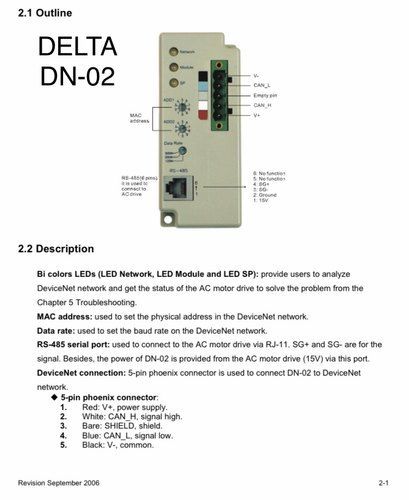
Delta Device Net Communication Modules
9600 INR/Piece
Product Details:
- Speed Range Standard Data Rate, 125/250/500 kbps
- Connectivity Type DeviceNet
- Phase Single Phase
- Drive Type Plug-in Communication Module
- Frequency 50/60 Hz
- Application Industrial Automation, PLC Communication
- Cable Length Maximum 500 meters (depending on baud rate)
- Click to View more
X
Delta Device Net Communication Modules Price And Quantity
- 1 Piece
- 9600 INR/Piece
- DeviceNet, ODVA compliant
- 125/250/500 kbps selectable
- <2.5W
- Meets international industrial standards
- Up to 64 nodes
- 5 ~ 95% RH, non-condensing
- 90 x 60 x 30 mm
- Delta PLC Series (DVP, AS, etc.)
- LED Indicators for Power, Communication, and Error
- Easy Plug-and-Play
- Galvanic Isolation
Delta Device Net Communication Modules Product Specifications
- Delta Device Net Communication Card
- -10C to +60C (operating)
- DIN Rail
- Industrial Automation, PLC Communication
- Up to 1000 mA output consumption
- Digital
- 24 V DC
- 50/60 Hz
- Plug-in Communication Module
- Automatic
- Integrated Microprocessor
- Hot-swappable, Auto Baud Rate Detection, LED Status Indications, Supports Multi-master Configuration
- Approx. 150g
- High-grade electronic components, ABS Engineering Plastic
- IP20
- DeviceNet
- Standard Data Rate, 125/250/500 kbps
- 24 V DC
- Maximum 500 meters (depending on baud rate)
- Single Phase
- DeviceNet, ODVA compliant
- 125/250/500 kbps selectable
- <2.5W
- Meets international industrial standards
- Up to 64 nodes
- 5 ~ 95% RH, non-condensing
- 90 x 60 x 30 mm
- Delta PLC Series (DVP, AS, etc.)
- LED Indicators for Power, Communication, and Error
- Easy Plug-and-Play
- Galvanic Isolation
Delta Device Net Communication Modules Trade Information
- 100 Piece Per Day
- 1 Week
Product Description
We are offering here the Delta Device Net Communication Modules that can be applied to the connection between Device Net and Delta's programmable logic controllers, AC motor drives, servo drives, temperature controllers and human machine interfaces. It connects simple industrial devices (sensors and actuators) with higher-level devices such as Programmable Controllers. The offered is an application-level protocol used in the automation environment. The offered Delta Device Net Communication Modules are made for being used in various places as per the need.
Seamless Integration with Delta PLCs
The Delta DeviceNet Communication Module is designed for straightforward compatibility with Delta DVP, AS, and other PLC series. Its plug-and-play design facilitates rapid installation, allowing engineers to enhance existing automation networks with minimal downtime. The module's integrated microprocessor ensures fast and reliable communication, while support for up to 64 DeviceNet slave nodes maximizes expansion potential without sacrificing performance.
Robust and Reliable Industrial Performance
Built using high-grade electronic components and housed in durable ABS engineering plastic, the module withstands tough industrial conditions. Galvanic isolation and an IP20 rating protect against noise and electrical faults, assuring continuous, safe operation. LED indicators for power, communication, and error provide quick diagnostics, while hot-swappable capability minimizes disruption in critical applications.
Flexible Communication and Easy Configuration
With selectable baud rates (125/250/500 kbps) and support for cables up to 500 meters (based on baud rate), the module adapts to a range of automation setups. Auto baud rate detection simplifies installation and configuration. Multi-master support allows for complex communication topologies, helping engineers build sophisticated, scalable automation solutions for industrial environments in India.
FAQ's of Delta Device Net Communication Modules:
Q: How do I install the Delta DeviceNet Communication Module with my Delta PLC?
A: Installation is straightforward due to the module's plug-and-play design and DIN rail mounting. Simply connect the module to your Delta PLC series (such as DVP or AS), set the baud rate as needed, and connect DeviceNet cables. LED indicators will guide you through power, communication, and error status during setup.Q: What are the main benefits of using this DeviceNet module in industrial automation?
A: This module offers reliable DeviceNet communication, easy integration with Delta PLCs, and robust protection through galvanic isolation and durable construction. Features like hot-swappable design, LED status indications, and auto baud rate detection enhance usability and minimize system downtime.Q: When is it necessary to use the LED indicators on the module?
A: The LED indicators provide real-time status for power, communication, and error conditions. Use them during installation for setup verification and during operation for monitoring network status or identifying faults, ensuring prompt maintenance and optimal system performance.Q: Where can this Module be used within an industrial setting?
A: Designed for a variety of industrial automation applications, the module is suited for manufacturing plants, process control systems, and PLC communication in environments where robust DeviceNet connectivity and international safety standards compliance are required.Q: What is the process for configuring baud rate and connecting slave nodes?
A: Baud rate is selectable at 125, 250, or 500 kbps, either via hardware settings or auto detection. Connect DeviceNet cables to configure up to 64 slave nodes, depending on your system's needs. Ensure total cable length does not exceed module specifications for reliable communication.Q: How does the built-in galvanic isolation benefit my automation system?
A: Galvanic isolation safeguards communication circuits from electrical noise and voltage surges, ensuring uninterrupted operation and protecting sensitive equipment, especially in electrically noisy industrial environments.Tell us about your requirement

Price:
Quantity
Select Unit
- 50
- 100
- 200
- 250
- 500
- 1000+
Additional detail
Mobile number
Email

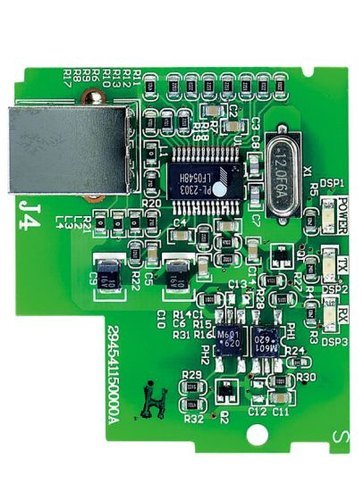
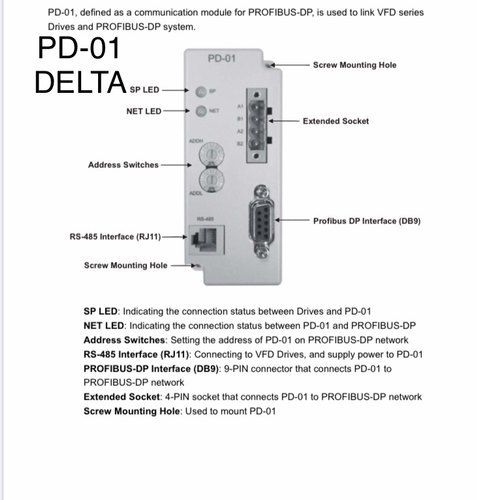
Other Products in 'Communication Modules Device Net' category



Contact Details

- 22-23, Shukan Mall, Near CIMS Hospital Science City Road, Sola,Ahmedabad - 380060, Gujarat, India
- Phone : 07971549184
POWER TECH SYSTEM
GST : 24AKUPP1158Q1ZB

- Mr Jitendra A. Patel (Proprietor )
- Mobile : 07971549184
- Send Inquiry
 Send Inquiry
|


Our Products
- AC Drives
- Vector Control Inverter
- Variable Frequency Drive
- AC Variable Drives
- Close Loop Vector Drive
- Frequency Inverters
- AC and DC Drive Repair Services
- Delta AC Drives
- DELTA VFD-EL
- VFD AC Drives
- VFD Drives
- Motor Drives
- Inverter Drives
- VFD Repair Services
- AC Servo Drives
- Servo Drives
- Elevator and Escalator Inverter
- Elevator Inverter
- Blower and Water Pump Inverter
- Adjustable Speed Drive
- AC Motor Controller
- DELTA VFD-E
- DELTA VFD-MS300
- Adjustable Frequency Drives
- Hitachi AC Drives
- Programmable Logic Controller
- PG Card
- Repairing Services
- Servo Motor
- Communication Modules Device Net
- Dynamic Braking Unit
- Keypad AC Drives
- Communication Modules And Card Delta
- Display Cable
- EtherNet Communication Card
- Profibus Communication Modules
- Relay Card
- Servo Motor Encoder Cable
- Servo Drive Cables
- Modbus Communication Modules
- I-O Card - Input Output Card
- Delta AC drives
- Delta VFD-C2000 Series AC Drive
- Delta VFD-CP2000 Series AC Drive
- Delta VFD-E Series AC Drive
- Delta VFD-C200 Series AC Drive
- Delta VFD-VE Series AC Drive
- Delta MS300 Series AC Drives
- Delta VFD-ED Series Ac Drives
- Delta Servo Drive and Motor
- Delta VFD-VL Series AC Drives
- Frequency Inverter
- Delta VFD-M Series AC Drives
- Delta VFD-L Series AC Drives
 Send Inquiry
 Send SMS
 Call Me Free
POWER TECH SYSTEM
All Rights Reserved.(Terms of Use)
Developed and Managed by Infocom Network Private Limited.
Developed and Managed by Infocom Network Private Limited.
